Kidō
ItemKidō, the Demon Arts, is one of the four core combat disciplines every Shinigami trains in. It channels spiritual energy into spells, split broadly into destructive Hadō and supportive Bakudō, ranging from simple utility tricks to devastating high-level incantations.
Overview
Kidō, often rendered as the Demon Arts, stands as one of the four foundational fighting skills of the Shinigami, set beside swordsmanship, hand-to-hand combat, and high-speed movement. It works by shaping strong Reiryoku into spells, which fall into two broad families: Hadō for direct offense and Bakudō for binding and support. Soul Society even maintains a dedicated branch, the Kidō Corps, devoted to mastering the art.

Function
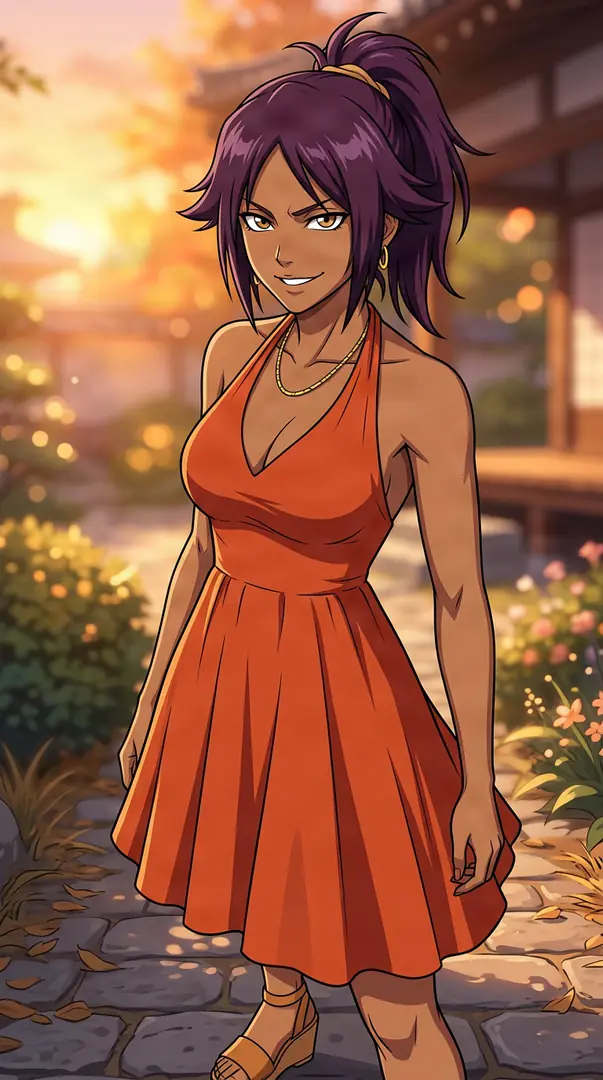
Most spells are ranked on a scale from 1 to 99, with the higher numbers demanding far more skill and delivering far more force. Casting one usually means reciting its incantation, a passage that can run several seconds long, though seasoned practitioners can drop the words and fire by naming the spell alone, trading raw power for speed. Because the strength of any spell tracks the strength of its caster, even a low number can prove ruinous in capable hands. Kidō also bends to practical use, as when Renji Abarai adapted a spell simply to light a dark corridor. A separate healing form, Kaidō, mends wounds through glowing green energy and was devised by Tenjirō Kirinji. Certain spells are branded forbidden, chiefly those that tamper with space and time or that demand the caster sacrifice part of themselves, and using them invites harsh imprisonment. Skilled casters further vary their delivery by dropping the incantation entirely, weaving two incantations together at once, or reciting the words after the spell has begun to reinforce it.
Notable Users
The Kidō Corps specializes in the discipline, but its greatest exponents are scattered across Soul Society. Acknowledged masters, able to unleash high-level spells without incantation and to invent or reshape their own, include Sousuke Aizen, Byakuya Kuchiki, Tessai Tsukabishi, Hachigen Ushōda, Yoruichi Shihōin, Retsu Unohana, Kisuke Urahara, and Captain-Commander Yamamoto. Below them, most lieutenants and captains rank as capable experts, while newer or less studious Shinigami manage only the lower tiers.
Related Reading
See all
The Bleach Female Characters Nobody Can Agree On, Settled
Five Bleach female characters, ranked and settled. Yoruichi sits at number five, the spot nobody expects, and our number one is an Arrancar with a soft heart....

Super Saiyan Pubes: The Song About Where Super Saiyan Hair Actually Goes
The transformation everyone knows, the follow-up question nobody would touch. Why we made a smooth R&B track about the golden glow Dragon Ball never talks about....

Frequently Asked Questions
What is Kidō in Bleach?
Kidō, often rendered as the Demon Arts, is one of the four foundational fighting skills of the Shinigami, set beside swordsmanship, hand-to-hand combat, and high-speed movement. It works by shaping spiritual energy into spells.
What are the types of Kidō?
Kidō spells fall into two broad families, Hadō for direct offense and Bakudō for binding and support, while a separate healing form called Kaidō mends wounds through glowing green energy.
How are Kidō spells ranked?
Most Kidō spells are ranked on a scale from 1 to 99, with higher numbers demanding far more skill and delivering far more force, though a spell's true strength tracks the strength of its caster.
Do you have to recite an incantation to cast Kidō?
Casting Kidō usually means reciting an incantation that can run several seconds long, but seasoned practitioners can drop the words and fire by naming the spell alone, trading raw power for speed.
Who are the masters of Kidō in Bleach?
Acknowledged Kidō masters include Sousuke Aizen, Byakuya Kuchiki, Tessai Tsukabishi, Hachigen Ushōda, Yoruichi Shihōin, Retsu Unohana, Kisuke Urahara, and Captain-Commander Yamamoto, while Soul Society also maintains a dedicated Kidō Corps.
Sources & Information
Looking for more on Kidō? The Bleach Wiki on Fandom has a dedicated page with community notes.
View on FandomThis content is original writing by Daddy Jim Headquarters based on the Bleach anime series, manga, and official materials. Episode and chapter references are cited where applicable.
Character and scene imagery on this site is original artwork by Daddy Jim Headquarters, not screenshots or licensed imagery. Official cover art is used on three types of pages for editorial commentary:
- Movie pages: theatrical posters and key visuals, credited to Studio Pierrot and the production committee.
- Game pages: official box art for the Bleach console and mobile games, credited to Bandai Namco and other publishers.
- Manga chapter pages: Jump Comics volume covers, credited to Shueisha and Tite Kubo.
Official resources:
Help Us Keep This Wiki Accurate
Daddy Jim Headquarters maintains this encyclopedia. If you spot an error, a translation issue, or something that doesn't look right, let us know.